

Cart
0
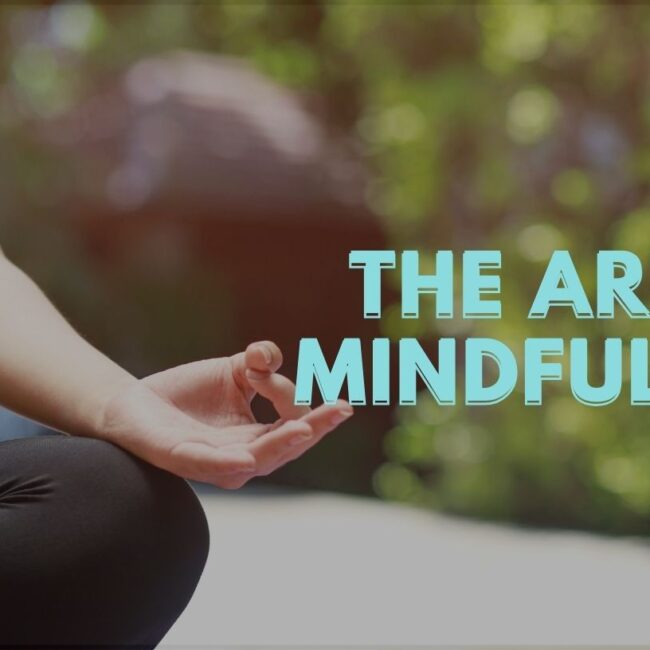
It;s no secret that stress affects our mental and physical well-being, hindering our ability to embrace the present moment fully. But fear not, for there is a powerful ally in the battle against stress: mindfulness.
Understanding the Essence of Mindfulness
Mindfulness is more than a buzzword; it’s a way of life that can lead to profound changes in how we perceive and navigate the world around us. Let’s explore the wisdom from various sources to uncover the essence of mindfulness and its vital role in reducing stress.
The Significance of Mindfulness
Mindfulness is like the North Star guiding you through the labyrinth of modern existence. It’s a practice that involves being fully present in the moment, akin to a skilled tightrope walker gracefully balancing on the thin thread of now. It’s about paying attention to your thoughts and feelings without judgment as if you were observing clouds passing by in the vast sky of your consciousness. The goal is clear: to reduce stress and enhance overall well-being.
Mindfulness is essential today because it provides a lifeline in the chaos of our constantly evolving world. With the incessant barrage of information and demands, our minds often wander, and stress creeps in. Mindfulness acts as an anchor, grounding us in the present moment, and allowing us to navigate the turbulent waters of modern life with grace.
A Journey into the Present
Imagine life as a grand adventure, with each moment as a stepping stone. Mindfulness is the map that helps you navigate this extraordinary journey. It’s about embracing life as it unfolds without being entangled in worries about the past or anxieties about the future. Think of it as a time machine that transports you to the only place where life truly happens: the present. The message is that mindfulness is a simple yet profound practice that can transform our lives.
In today’s world, where distractions are as common as the air we breathe, our ability to be present is often compromised. We find ourselves immersed in screens, planning for tomorrow, or ruminating over yesterday. This constant mental time travel adds to our stress, as we disconnect from the richness of the current moment. Mindfulness becomes a lifeline, pulling us out of the vortex of distraction and anchoring us firmly in the now.
The Mind-Body Connection
Mindfulness is not just a mental exercise; it’s a holistic practice that invites your mind and body to dance in harmony. It’s like a conductor orchestrating a symphony of awareness. This awareness encompasses our thoughts, emotions, and physical sensations, akin to the gentle touch of a breeze on our skin. Like a bridge between two worlds, this connection can alleviate stress and promote balance.
Stress manifests not only in our thoughts but also in our bodies – as tension, headaches, or a racing heart. Mindfulness is a bridge, reminding us that these two realms are intertwined. By paying attention to our physical sensations in the present moment, we can release built-up tension and prevent stress from taking root.
A Toolkit for Stress Relief
Imagine a treasure chest filled with strategies to relieve stress and anxiety. Among these strategies, mindfulness shines as a powerful gem. It’s like the secret key that unlocks the chest, revealing its precious contents. It’s a reminder that mindfulness, alongside exercise and nutrition, can be woven into our daily lives to enhance mental health.
1. Meditation
Meditation is like a sanctuary for your mind. It offers a quiet space where you can observe your thoughts and let them pass like clouds in the sky. Regular meditation practice can calm your mind and reduce stress.
2. Deep Breathing
Deep breathing is a simple yet effective way to activate your body’s relaxation response. It’s like a reset button for your nervous system, helping you find calm amidst chaos.
3. Mindful Walking
Walking becomes a mindful journey when you pay attention to each step, the sensation of your feet touching the ground, and the world around you. It’s a way to ground yourself in the present moment.
4. Journaling
Writing down your thoughts and feelings can be cathartic. It’s like releasing bottled-up emotions onto the pages, giving you clarity and reducing the weight of stress.
5. Yoga
Yoga is a marriage of mindfulness and movement. It’s like a dance with your body, promoting flexibility, strength, and mental tranquillity.
6. Progressive Muscle Relaxation
Progressive muscle relaxation involves tensing and then relaxing different muscle groups. It’s like a wave of calm washing over you, releasing physical tension.
7. Guided Imagery
Guided imagery is like a mental vacation. It involves imagining peaceful, serene places to escape the moment’s stress.
8. Mindful Eating
Eating mindfully means savouring each bite, and paying attention to flavours and textures. It can transform a meal into a nourishing and enjoyable experience.
9. Digital Detox
Disconnecting from screens and the constant stream of information can be liberating. It’s like stepping out of the digital whirlwind into a quieter world.
10. Visualization
Visualization involves imagining positive outcomes and success. It’s like painting a mental picture of your goals and aspirations.
11. Time Management
Effective time management reduces the feeling of being overwhelmed. It’s like creating a daily roadmap, ensuring balance and productivity.
12. Self-Care
Taking time for self-care activities, such as a bath, a hobby, or a walk in nature, replenishes your spirit. It’s like a recharge for your soul.
13. Laughter
Laughter is a natural stress reliever. It’s like a burst of joy that lifts your spirits and lightens your heart.
Practical Steps for Stress Reduction
Picture a staircase leading you up to a stress-free haven. These practical steps are like the sturdy steps of that staircase, each one bringing you closer to serenity. While mindfulness isn’t the sole focus, it suggests relaxation techniques, self-help activities, and exercises that align with the principles of mindfulness. The message here is clear: self-care and proactive stress management are within reach.
1. Start with a Morning Routine
Begin your day with intention. Create a morning routine that includes a moment of mindfulness, whether it’s a few minutes of meditation or a deep-breathing exercise. This sets a positive tone for the day.
2. Schedule Mindful Breaks
Throughout your workday, schedule short, mindful breaks. These moments can be as simple as gazing out the window and observing nature or taking a brief walk to clear your mind.
3. Create a Relaxing Evening Routine
End your day with a relaxing evening routine. This might include journaling to release the day’s worries or practising progressive muscle relaxation to prepare your body for restful sleep.
4. Engage in a Mindful Hobby
Find a hobby or activity that brings you joy and requires your full attention. Whether it’s painting, gardening, or playing a musical instrument, immerse yourself in the present moment.
5. Prioritize Self-Care
Make self-care a non-negotiable part of your routine. Whether it’s a weekly spa day or a daily walk in nature, prioritize activities that nourish your body and soul.
6. Practice Gratitude Daily
End your day by reflecting on the things you’re grateful for. Cultivate a gratitude journal to acknowledge the positive aspects of your life.
7. Seek Social Support
Connect with friends and loved ones regularly. Share your thoughts and feelings, and be a supportive presence in their lives as well.
8. Learn to Say No
Set boundaries in your personal and professional life. Learning to say no when necessary helps you protect your time and energy.
These practical steps are like the rungs of a ladder, each one taking you closer to a stress-free, balanced life. Embracing them alongside mindfulness can be a transformative journey towards greater well-being in today’s demanding world.
Unlocking the Potential of Mindfulness: Your Path to Empowerment
As we delve deeper into the transformative power of mindfulness, it’s essential to recognize its role in personal empowerment. Mindfulness isn’t just a tool for stress reduction; it’s a catalyst for unleashing your full potential.
Mindfulness and Personal Growth
In today’s ever-evolving landscape, personal growth is paramount. The power of mindfulness extends beyond stress relief; it empowers you to become the best version of yourself. By cultivating self-awareness and emotional intelligence, you can navigate life’s challenges with resilience and grace.
Achieving Balance and Harmony
In a world filled with noise and distractions, finding balance and harmony can seem elusive. Mindfulness offers a roadmap to inner peace. It’s a journey leading to a harmonious mind and body coexistence. By embracing the present moment, you can harmonize your thoughts and actions, leading to a more fulfilling life.
Mindfulness in the Workplace
The modern workplace can be a high-stress environment. Mindfulness isn’t confined to personal life; it has a valuable place in the professional realm. It enhances focus, creativity, and decision-making. By incorporating mindfulness practices at work, you can excel in your career while maintaining well-being.
Mindfulness for Enhanced Relationships
Healthy relationships are the cornerstone of a fulfilling life. Mindfulness fosters empathy and compassion, strengthening your connections with others. It enables you to communicate more effectively, resolve conflicts, and nurture meaningful relationships.
Mindfulness as a Lifelong Companion
In closing, mindfulness is not a fleeting trend; it’s a lifelong companion on your journey. It empowers you to navigate the complexities of the modern world with grace, resilience, and a profound sense of self. Embrace the power of mindfulness, and unlock your potential to live a life of purpose and fulfilment.
Elevate Mindfulness with Heilsa’s Exercise and Recovery Equipment
At Heilsa, our mission goes beyond just providing top-notch exercise and recovery equipment. We believe in the transformative power of mindfulness, and our products are designed to be catalysts for this positive change. Let’s explore how Heilsa’s offerings can help you enhance mindfulness through physical activity, productive hobbies, progressive muscle relaxation, and self-care.
Mindful Movement for Body and Mind
Physical activity is an integral part of mindfulness, and Heilsa’s exercise equipment is tailored to promote it. Whether it’s our one-of-a-kind Aeroleap line product that expands the scope of your exercise or our versatile resistance bands that enable full-body workouts, our products encourage mindful movement. They provide the perfect canvas for engaging in physical activities that align your body and mind, fostering a deeper connection to the present moment.
Progressive Muscle Relaxation Made Easy
Progressive muscle relaxation is a powerful technique for stress reduction, and Heilsa’s equipment can assist you in this practice. Our massage equipment in the form of massage guns, eye massagers, and multipurpose massagers, to name a few, with their customizable settings, provide a soothing massage experience that aids in releasing tension and promoting relaxation. Incorporating this into your self-care routine can enhance your ability to unwind, reduce stress, and improve your overall well-being. We believe that taking care of your body and mind is an essential aspect of mindfulness. Our equipment complements your self-care routines, helping you achieve a state of balance and harmony.
Essentially, Heilsa is not just a provider of exercise and recovery equipment; we are a partner in your journey toward mindfulness. Our products are carefully curated to support physical activity, productive hobbies, progressive muscle relaxation, and self-care – all essential components of a mindful lifestyle. We invite you to explore our offerings and discover how Heilsa can be your ally in embracing mindfulness as a way of life.
The Transformative Power of Mindfulness
In conclusion, mindfulness is not merely a concept but a transformative practice. It invites us to be fully present in our lives, to observe our thoughts without judgment, and to embrace the present moment. By integrating mindfulness into our daily routines, alongside other stress reduction techniques, we unlock the power to live a stress-free and balanced life.
Mindfulness is not a luxury; it’s a lifeline. In today’s ever-changing world, it acts as a guiding star, a map, and a bridge to our well-being. It’s a reminder that within the chaos of modern life, we can find tranquillity, one mindful moment at a time.
So, as you navigate the challenges of today’s world, remember the profound impact that mindfulness can have on your life. Embrace it as a tool for reducing stress, enhancing well-being, and finding peace amidst the whirlwind of existence.
FAQs
1. What is mindfulness?
Mindfulness is a practice that involves being fully present in the moment and paying attention to thoughts and feelings without judgment. It promotes stress reduction and overall well-being.
2. How can mindfulness reduce stress?
Mindfulness reduces stress by helping individuals become more aware of their thoughts, emotions, and physical sensations. This awareness enables them to respond to stressors with greater clarity and calmness.
3. How can I incorporate mindfulness into my daily life?
You can incorporate mindfulness into your daily life by engaging in practices such as meditation, deep breathing, and mindful eating. It’s about cultivating a sense of presence and awareness in everyday activities.
4. Are there other strategies for stress reduction besides mindfulness?
Yes, various stress reduction strategies include exercise, nutrition, relaxation techniques, and connecting with others. Mindfulness can be integrated into these strategies to enhance their effectiveness.


